



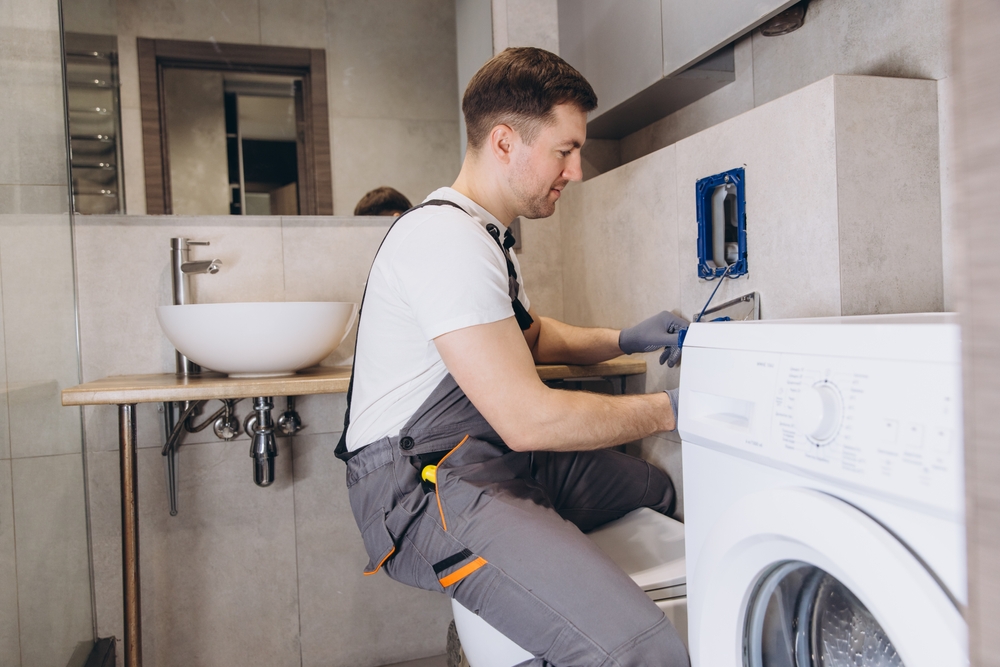
Plumbing inspection and diagnostics combine IoT sensors, telemetry, and AI to turn reactive plumbing repairs into proactive maintenance. Instead of discovering problems after a leak or failure, technicians receive prioritized alerts that point to the likely fault, location, and urgency, so fixes are faster, less destructive, and less expensive.
How AI + predictive maintenance works for plumbing
Sensors measure flow, pressure, humidity, vibration, and electrical draw. Telemetry streams to analytics platforms that detect anomalies (slow drips, pressure loss, phantom flow). AI ranks alerts by risk and groups related signals into a single ticket so technicians see the likely cause and arrival priority rather than chasing vague symptoms.
Key sensors and the metrics that matter
- Flow meters: detect unnoticed slow leaks and phantom usage.
- Pressure sensors: reveal drops from blocked lines or failing pumps.
- Acoustic/vibration sensors: locate pinhole leaks and hidden drips.
- Moisture detectors: identify slab and behind-wall moisture before mold sets in.
- Electrical/current sensors: flag failing pumps or heater elements early.
Use cases: Where this prevents expensive damage
- Early slab-leak detection that avoids floor demolition.
- Flagging water-heater abnormal cycles and integrating with water heater services near me to schedule preemptive work.
- Notifying building managers of slow leaks in vacant units to avoid mold and insurance claims.
- Spotting repeated drain stress that suggests partial blockage before sewer backups occur.
Benefits for homeowners and property managers
- Fewer emergency calls and lower emergency labor costs.
- Reduced repair scope (targeted fixes instead of broad demolition).
- Faster first-visit fixes because technicians arrive with diagnostics and likely parts.
- Data to justify upgrades such as tankless conversion or targeted pipe replacement service only where warranted.
How smart diagnostics integrate with common services
- When sensors show chronic hot-water cycling, technicians can recommend local water heater services for tune-ups or replacement.
- Persistent motor current spikes point to pump or disposer faults, a cue to check garbage disposal services and prevent failures.
- Repeated pressure loss across a run often leads to a scoped repiping solution rather than repeated patchwork.
- For localized faults, homeowners can still call a trusted plumbing expert who uses diagnostic data to resolve issues quickly.
Practical troubleshooting tips (what you can do)
- Monitor your water meter overnight (no household use) to detect phantom flow.
- Photograph visible leaks and note the time the sensor alerted that context helps technicians pinpoint runs.
- Keep appliance manuals and serial numbers handy to speed part matches.
- Before calling, check shutoff valves and clear simple clogs to avoid unnecessary dispatch.
Choosing technology and a provider
Look for providers who: encrypt telemetry, offer clear data-ownership terms, provide sensible alert thresholds to avoid noise, and combine sensors with verified technician workflows. Ask how alerts are triaged and whether diagnostics produce a recommended parts list for first-visit success.
Cost, ROI, and real savings
Initial sensor and platform costs are offset by fewer emergency truck rolls, smaller repair scopes, and lower water/insurance claims. For multiunit properties, the ROI is often visible within a single season by preventing a handful of major incidents.
Privacy, safety, and reliability
Ensure your system uses encrypted telemetry, transparent data retention policies, and gives you control over who can view or action alerts. Confirm provider procedures for verifying alerts before dispatching emergency crews to avoid false alarms.
Conclusion
AI and predictive maintenance make plumbing system analysis practical and affordable, especially when combined with smart plumbing troubleshooting tips like earlier detection, lower repair impact, and smarter decisions about repairs vs. replacement. The result is less disruption, lower cost, and greater confidence in your home’s plumbing.
To set up data-driven inspections, targeted diagnostics, or a smart maintenance plan, contact Curoso Plumbing at 707-545-5017 for a consultation and tailored recommendations.
FAQs
How quickly can I get a local expert in Santa Rosa, CA, for an urgent leak?
Response times vary by workload, but many local experts prioritize active leaks. Contact a qualified plumber in Santa Rosa, CA, immediately for emergency service.
Will smart diagnostics help with water heaters?
Yes, diagnostics spot abnormal cycles and inefficiencies, making it easier to schedule water heater services before a full failure.
Can IoT detection reduce the need for full repiping or pipeline replacement service in Santa Rosa, CA?
Often yes. Sensors help distinguish isolated failures from systemic corrosion; targeted repairs or section-level repiping services in Santa Rosa, CA, are common outcomes when diagnostics show limited scope.