

A Complete Guide to Water Heater Services: Comfort, Safety, and Efficiency

A Complete Guide to Water Heater Services: Comfort, Safety, and Efficiency

A Complete Guide to Water Heater Services: Comfort, Safety, and Efficiency
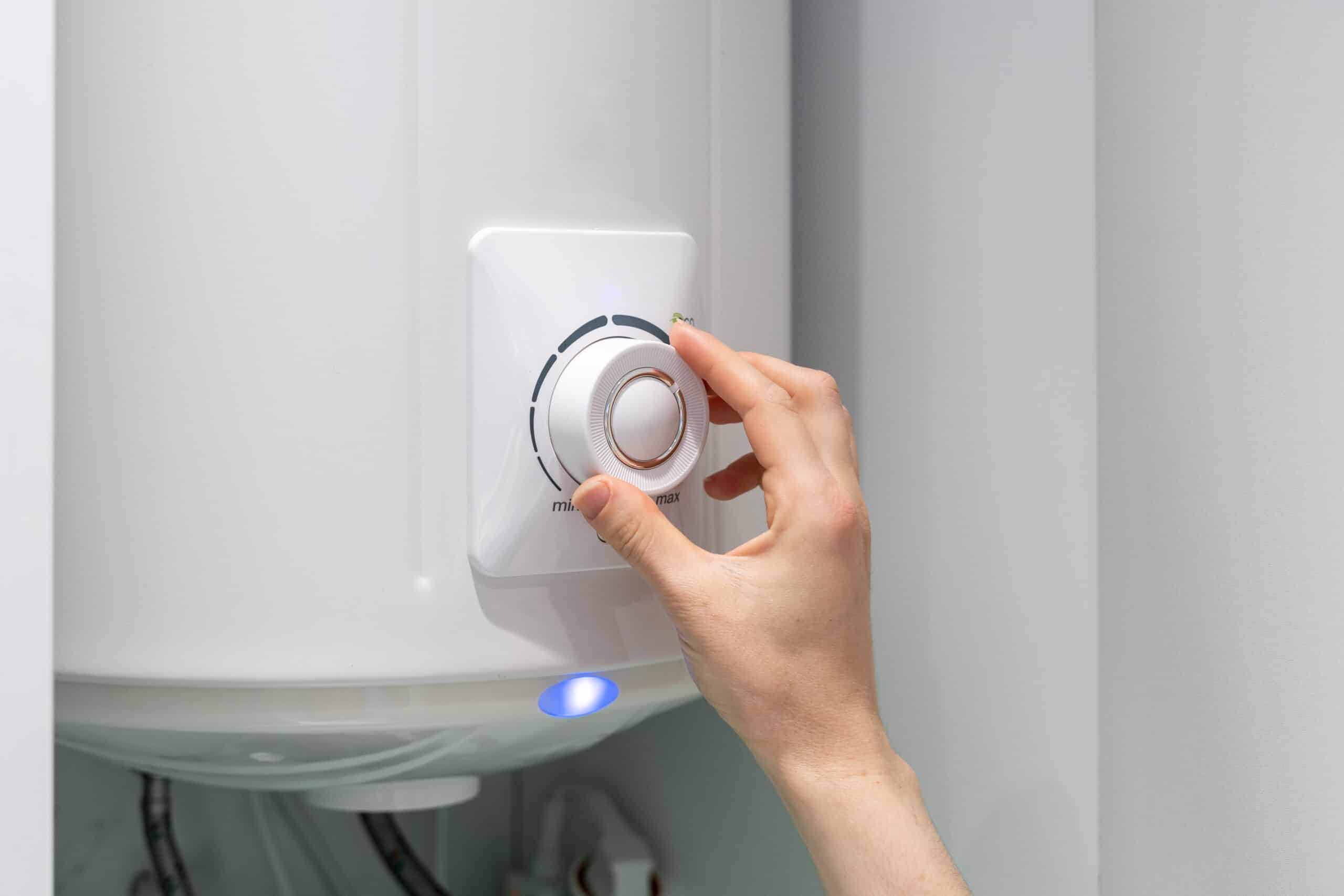
Hot water is something most homeowners don’t think about until it’s gone from their lives. When a water heater goes out and is no longer functioning properly, confusion can abound. New terms such as buildup of sediment, anode rods, rates of recovery, or tankless rates of flow are encountered for the first time when a service visit is required.
Water heater services have been simplified in this service guide book, so you can have all the information at hand without any pressure. Whether you are responsible for maintaining a system you already have installed and are experiencing issues with your hot water consistency, or are looking at replacing a water heater for whatever reason, this guide can assist you in learning about water heater function and what is involved with a professional service.
What Is a Water Heater?
A water heater is a household appliance designed to heat and store water for everyday use, such as bathing, cooking, cleaning, and laundry. It works by using electricity, natural gas, or propane to raise the temperature of cold water and deliver it to faucets and appliances when needed.
Some water heaters store hot water in a tank, while others heat water on demand without storage. Regardless of the type, a water heater plays a critical role in maintaining comfort, hygiene, and daily convenience throughout the home.
What Water Heater Services Include and Why They Matter?
In regards to water heaters, repair work encompasses much more than leak repair or the regeneration of hot water. Services relate to maintaining efficiency, safety, and the extension of the water heater’s life cycle. When a water heater receives proper care, it provides several advantages.
Professional service can also help in the detection of early warning signs, such as the effects of corrosion, pressure problems, and the wearing out of parts.
How Do Water Heaters Work?
The function of a water heater is to store, heat water as needed, and then distribute it throughout a residence based on the activation of a tap or an appliance. Conventional water heaters operate by continuously heating and holding this water, while tankless water heaters involve the heating of water as it is needed.
It is dependent on several aspects, such as the incoming water temperature, capacity of the system, heating elements or burners, as well as an appropriate ventilation system. Sometimes, when one aspect of the system is not working properly, it may cause the water to be lukewarm, have slow recovery, or variations in temperatures.
Types of Water Heaters Used in Households
- Tankless Water Heaters: Heat water as needed for a continuous hot water supply.
- Gas Water Heaters: Employ natural gas or Propane for rapid heating.
- Electric water heaters: Use heating elements and tend to be easier to install.
It’s important to know what type of system you have so that you know what maintenance or servicing is required. Also known as water boilers, water heaters are household appliances used to provide
Water Heater Maintenance Terms Homeowners Should Know
Maintenance helps to ensure water heater efficiency and safety. Flushing and anode rod checks are among the maintenance services carried out in water heaters. The services include removing sediment from water heater storage tanks. Checking an anode rod helps protect water heaters against corrosion.
“Recovery rate” pertains to how fast the system reheats water, while “Pressure relief valves” safeguard against hazardous pressure increases. Maintenance of the system can optimize performance and minimize the costs of operation.
When Water Heater Repair Is the Best Option?
Repairs are considered for relatively new systems that may have spot problems. Defective thermostats, heating elements, gas valves, or leaks may be repaired rather than replaced. Professional assessment also helps in ensuring that the repairs fix the problem, not just the symptom. Timely repairs prevent worse problems from arising.
When Replacement Becomes the Smarter Option?
Replacement is generally advised when the conditions of frequent failure, reduced efficiency, or corrosion of the water heaters are observed. The typical lifespan of conventional tank-style water heaters is between 10 and 15 years, but tankless units can last much longer.
If more frequent repairs or rising energy costs occur without warning, replacement may be the more economical option in the long run. More recent models have higher efficiencies, more safety features, and functionality suited for current living needs.
Efficiency, Energy Use, and Long-Term Costs
Water heaters are major consumers of domestic energy. An efficient water heating system will give a substantial reduction in heating costs, besides ensuring consistent system performance. Therefore, models such as tankless water heaters, gas water heaters, and insulated tanks are appropriate for minimizing wasted energy.
The right size is just as crucial as performance ratings. A system that is the wrong size for the space it is meant to cool may have trouble keeping up, and it may be energy wasteful.
Why Choose Us At Curoso Plumbing?
Curoso Plumbing offers trusted water heater solutions for homeowners. Our experts clearly describe all possible solutions for you and advise which are most suitable for your family.
Our customers choose Curoso Plumbing because of:
- Qualified and licensed plumbing experts.
- Explanations made clear - No pressure or confusion.
- Trustworthy repair, maintenance, and replacement options.
- Safety-oriented inspections and workmanship.
- Advice that’s honest and centered on long-term value.
Conclusion
A water heater service is more than just a restoration of hot water. The service is about protecting your home and ensuring efficiency. If you’re an informed homeowner, you can make the best decisions about water service.
But with professional help and proper servicing, your water heater will function well for many years to come. At Curoso Plumbing, you can trust that your system will function safely and dependably.
Take the stress out of water heater problems with professional service from Curoso Plumbing. Call us at 707-545-5017 to schedule your water heater service and restore reliable hot water to your home.
FAQs
In fact, most water heaters should receive professional servicing every year in order to keep them efficient and safe. Annual servicing involves cleaning out sediment, inspecting parts, and examining pressure controls, among other functions.
The most common symptoms reported for a failing water heater include erratic water temperatures, unusual noises, reduced hot water output, or visible leaks. Another symptom could be discolored water or increased rates due to higher consumption or usage.
One advantage of tankless water heaters is the ability to have endless hot water and improved energy efficiency; however, their initial cost is high. Conventional water heaters are cheaper and can be used effectively in a typical household setting.

REQUEST A QUOTE
Our SERVICES

Curoso Plumbing Inc.
5.0 ★★★★★★★★★★ 365 reviews