



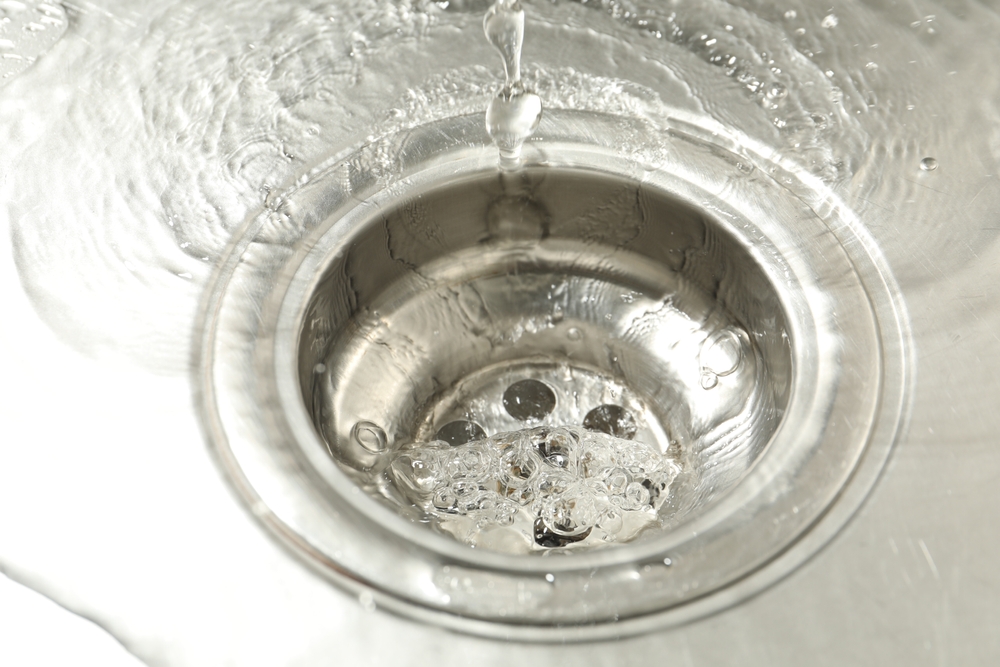
You rinse a plate, and the water just sits there a second or two longer than it should before finally swirling away. It isn’t dramatic, it isn’t a full backup, it’s just slow, and that nagging in-between state is exactly when people start looking up drain cleaning in Santa Rosa, CA, wondering whether they’re overreacting. Here’s the thing genuinely worth knowing: a sink that drains slowly but never fully clogs isn’t simply a milder version of a clog, it’s very often its own separate situation, with its own distinct set of causes. It usually means something is narrowing the pipe rather than blocking it outright, and that something almost never fixes itself. Left alone, slow has a habit of becoming slower, and eventually it does turn into a real clog at the worst possible moment. So before you ignore it entirely or pour something down the drain on a hunch, here’s what’s actually happening down there.
1. Slow Isn’t the Same as Clogged
It’s tempting to lump every drainage problem into one bucket labeled clog, but a slow drain and a fully blocked one are genuinely different animals. A true clog is sudden and total; the water flatly stops moving, and the cause is usually one solid obstruction parked in one specific spot. A slow drain, by contrast, is gradual; the water still goes down, just reluctantly and grudgingly, and that points instead to a pipe that’s been steadily narrowing over months or even years. Ask a team like Curoso Plumbing, and they’ll tell you the slow version is often the more telling of the two, because it’s really the early chapter of a story that eventually ends in a full blockage. Catching it at the slow stage means you solve a small, cheap problem rather than waiting for the genuine emergency.
2. Before You Reach for the Drain Cleaner
Almost everyone’s first instinct is to grab that bottle of liquid drain cleaner under the sink, and it’s worth pausing on that reflex. Those chemicals can sometimes punch a hole straight through a soft blockage, but a slow drain usually isn’t a single blockage at all, it’s a coating, and harsh cleaners do very little against a greasy film lining the entire pipe. Worse still, they tend to sit in the pipe generating real heat, and over enough time, that is genuinely rough on older metal and even on some plastic. So when people sit down to weigh drain cleaning service vs diy, which is better, the honest answer really depends on the underlying cause, and a slow drain happens to be one of the cases where store-bought chemistry tends to quietly disappoint. A plunger or a little mechanical effort is far safer, though for a fully coated pipe, neither one truly reaches the actual problem.
3. Grease: The Quiet Culprit Behind It All
If a kitchen sink is draining slowly, but not clogged is the exact situation you happen to be facing right now, grease is the very first suspect, and far more often than not, it’s the guilty one. It pours down the drain warm and liquid, looking completely harmless in the moment, then cools just a few feet into the pipe and turns waxy, sticky, and stubbornly solid. Every rinse after that adds another thin layer onto the walls, and the channel the water travels through quietly keeps shrinking. The grease also behaves a lot like flypaper, steadily catching coffee grounds, stray food bits, and soap scum that otherwise would have slipped harmlessly past. None of this manages to block the drain on any one given day, which is precisely the reason it’s so easy to miss right up until the sink is visibly struggling.
4. The Vent and Trap Problems You Can’t See
Sometimes the slowdown has genuinely nothing to do with any buildup at all. Every drain in the house quietly relies on a vent, a pipe running up and out through the roof that lets air in so the water can flow smoothly, and when that vent gets blocked, the drain gurgles and crawls as though something is badly wrong, even when the pipe itself is perfectly clean. The P-trap, that curved section of pipe tucked directly under the sink, can also collect its own debris or end up sitting at a bad angle after a clumsy past repair. A garbage disposal that simply isn’t grinding finely enough will keep sending stubborn chunks through to snag somewhere downstream. These are the causes a homeowner can’t easily see or reach, and a plumber in Santa Rosa, CA, can usually pin down which one it is far faster than guesswork ever will.
5. When a Slow Drain Is Telling You Something Bigger
Most slow drains are simple, ordinary things, but a few are genuine early warnings worth respecting. If more than one fixture in the house turns sluggish at roughly the same time, the real issue may be sitting much deeper in the main line rather than anywhere under your kitchen sink. If the slowness keeps stubbornly returning just weeks after you’ve cleared it out, something more structural could be going on, like creeping pipe corrosion, a low sag in the line, or even tree roots quietly finding their way in from outside. A foul, lingering smell is another solid flag, since it can point straight to trapped, slowly decaying buildup. None of these things mean it’s time to panic, they simply mean the problem has graduated well past a quick fix and now deserves a proper, professional look.
Conclusion
A kitchen sink that drains slowly but never quite manages to clog is genuinely easy to live with, and that, honestly, is precisely the trap. The slowness itself is information, it’s the pipe quietly telling you that it’s narrowing, and that particular message very rarely improves all on its own. Most of the time, the cause is grease coating the inside walls, though a blocked vent, a tired old trap, or an aging line can be behind it too. The smart response was never a bottle of chemicals and a hopeful shrug, it’s figuring out the actual cause while the fix is still small and cheap. Handle it at the slow stage, and you spare yourself the worst version, the one that turns up mid-dinner with a sink full of standing grey water.
“Slow drain dragging on? It won’t fix itself. Call Curoso Plumbing at 707-545-5017, and we’ll find the real cause before it becomes a full clog.”
FAQs
Q1: Why is my kitchen sink draining slowly in Santa Rosa, CA?
For most Santa Rosa kitchens, the usual reason is grease slowly coating the inside of the pipe and narrowing the path the water takes. A blocked vent or a debris-filled P-trap can cause the same thing, so a quick professional look usually pins down which it is.
Q2: Will boiling water fix a slow kitchen drain?
It can help a little by softening fresh grease, but it rarely clears a pipe that’s been coating up for months. For a stubborn, slow drain, hot water is a short-term patch rather than a real fix.
Q3: Is a slow drain an emergency?
Not usually, but it shouldn’t be ignored either. A slow drain is an early warning, and handling it now is far cheaper and less stressful than dealing with the full clog it’s heading toward.