



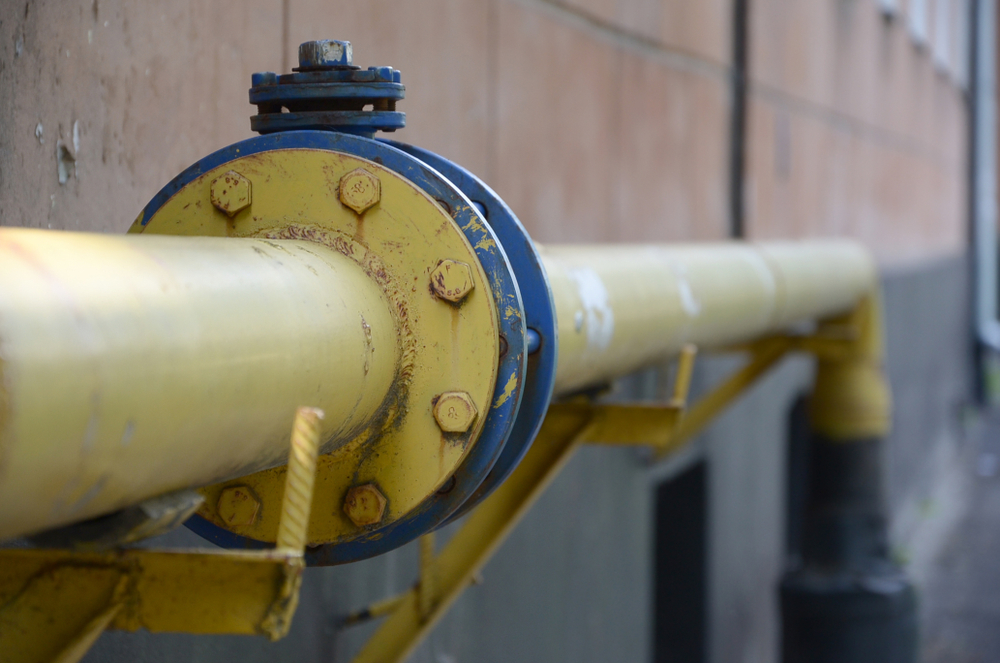
Buying a house comes with a checklist a mile long, and somehow, the gas line almost never makes it onto that list. Most buyers comparing homes, tallying up repairs, or even quietly budgeting for gas line installation in Santa Rosa, CA, are focused on the roof, the foundation, the kitchen, all the things you can actually see and touch during a walkthrough. The gas line, though, is invisible by design, tucked away underground and threaded behind finished walls, so it slips right past the eye every single time. But it also happens to be one of the very few systems in a house where a hidden problem isn’t merely expensive, it’s genuinely dangerous. A standard home inspection often gives the gas line little more than a passing glance, which means the real responsibility quietly lands on you, the buyer. So before you sign anything, here are the key things to check, and why this is one corner of the process you don’t want to cut.
1. The Line Everybody Forgets to Check
It’s honestly not hard to see why the gas line ends up skipped so often. You can’t walk through a house and admire the piping the way you’d admire refinished hardwood floors or a freshly renovated bathroom, so there’s nothing to photograph and nothing a seller ever bothers to stage. A general home inspector, useful as they genuinely are, usually isn’t a gas specialist, so their report may simply note that the line exists and very little beyond that. That quiet gap is exactly where a dedicated team like Curoso Plumbing earns its place, because checking a gas line properly takes real training, not a passing glance. After all, that line runs straight to your furnace, your water heater, your stove, and quite possibly a fireplace, doing critical and entirely invisible work in a house you’re about to spend years living inside.
2. Trust Your Nose, Then Verify It
Your first and simplest tool during any walkthrough is the one sitting right on your face. Natural gas is completely odorless on its own, so utility companies deliberately add a sulfur compound that smells sharply of rotten eggs, and that smell is the entire warning system doing its job. Anyone who has ever typed gas line leak smell in house what to do into a search bar already knows the basic rule: if the smell is strong, you get everyone out first and ask questions later, no flipping switches, no standing around. During a house tour, a faint whiff near an appliance is worth flagging, but smell on its own isn’t proof, and the absence of it isn’t a clean bill of health either. Small, slow leaks can easily sit below the threshold a human nose can catch, which is precisely why an actual test will always beat a hopeful sniff.
3. Why This Isn’t a Do-It-Yourself Check
This is genuinely not the household system to go testing with a cheap hardware-store gadget and a hopeful attitude. A properly licensed professional can run a real pressure test, isolating the line and carefully watching whether it holds steady, which catches the slow leaks a simple walkthrough would never reveal. They’ll also inspect the regulator, the shutoff valves, the connections at every appliance, and the condition of the pipe where it enters the house. Homeowners all across the region, whether they happen to be calling around for plumbing services in Rohnert Park, CA, or searching right here in Santa Rosa, should make sure that whoever they hire is specifically licensed for gas work, not simply general repairs. Gas is one of those areas where the right credentials aren’t a box-ticking formality; they’re the entire point of bringing a professional in.
4. Old Lines, and the Question of Replacing Them
The age and the material of a gas line will tell you a great deal about what you might quietly be inheriting. Older homes around here sometimes still have lines sitting in the ground for decades, and corrosion, outdated fittings, or undersized piping can all surface once a professional finally takes a serious look. If the inspection does point toward replacement, a perfectly fair question to ask is how long does gas line installation take, because that answer affects your move-in timeline and your budget at once. A straightforward, accessible run can often be finished in a day or two, while a full repipe threaded through a finished house naturally takes longer and costs more. Learning all of this before closing lets you actually negotiate from a position of knowledge, rather than discovering it the hard, expensive way after the keys have already changed hands.
5. Making It Part of the Deal
The single most useful thing you can do with everything above is simply put it down in writing. Treating a gas line inspection before buying a house as a formal contingency, the way smart buyers already do with the structure or the roof, protects you directly if something concerning turns up. If that test does reveal a real problem, the paperwork gives you room to renegotiate the price, ask the seller to take care of the repair themselves, or walk away from the whole thing cleanly. Without that contingency in place, you could very well inherit both the issue and the bill the precise moment you sign your name. It costs relatively little to add this one step, and it is far, far cheaper than discovering a failing line during your first genuinely cold week in the new house.
Conclusion
A gas line is the kind of thing you never think about, right up until the day you suddenly need to. And when you happen to be buying a house, that day really ought to be before you sign, not somewhere down the road after. Make the inspection a deliberate step rather than a vague afterthought, bring in someone licensed specifically for gas, and treat whatever they find as useful information instead of a hassle. A clean report buys you real, honest peace of mind, and a problem caught early simply becomes a negotiation instead of an emergency. Either way, you get to walk into your new home knowing the one major system you can’t actually see is also one you no longer have to worry about.
“Buying a home? Don’t guess about the gas line. Call Curoso Plumbing at 707-545-5017 for a licensed inspection before you ever sign the papers.”
FAQs
Q1: Do I need a gas line inspection when buying a house in Santa Rosa, CA?
It’s strongly recommended, since a standard home inspection in Santa Rosa rarely covers the gas line in depth. A separate check by a licensed professional catches leaks, corrosion, and outdated fittings before they quietly become your problem.
Q2: How much does a gas line inspection cost?
It’s usually a modest, flat fee, far smaller than the cost of repairing a leak discovered after closing. Treat it as cheap insurance, since it can also give you genuine leverage to renegotiate the home’s price.
Q3: What are the warning signs of a gas line problem?
A rotten-egg smell, a hissing sound near a line, dead patches of grass over a buried pipe, or an unusually high gas bill are all worth investigating. If the smell is strong, leave the house first and call for help from outside.