



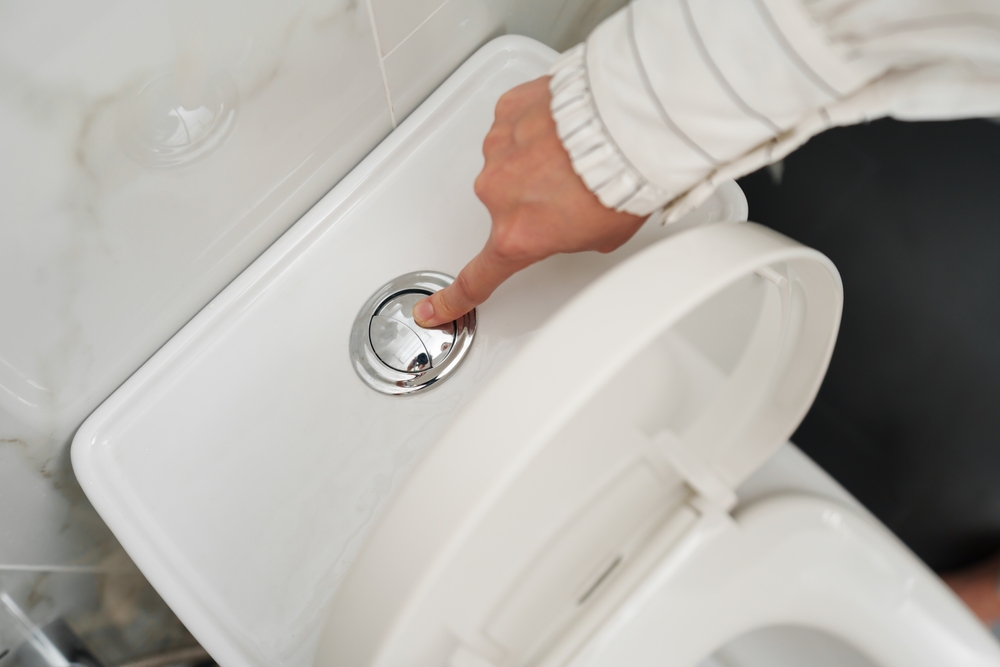
You know the sound, it’s late, the house has gone quiet, and the toilet down the hall is still hissing away like it has somewhere it needs to be. Most people who finally get around to pricing a repair, or even toilet installation in Santa Rosa, CA, have been listening to that noise for weeks, half-tuning it out. Here’s the good part, though: a running toilet is usually nothing scary. A lot of the time, you can fix it yourself, ten minutes of work, a part that costs less than a sandwich, and you’re done. But not always, and the trick is figuring out which kind you’ve got before you ignore it for another month or panic about the bill. So let’s just sort it out, no jargon, only what’s making that noise and whether it’s your job to fix or a plumber’s.
1. What That Running Sound Actually Means
To get anywhere, you have to lift the lid off the tank and look inside, something most people have never once done. The job of that tank is honestly pretty simple. It fills up after a flush, it stops, and then it just waits there for next time. When it won’t stop, water is escaping somewhere it shouldn’t, and the fill valve keeps refilling to chase the loss, and that chasing is the hiss you keep hearing. Look down inside, and you’ll meet the whole little cast, a rubber flapper sitting at the bottom, a float that rides up and down with the water, the fill valve off to one side, and an overflow tube standing up in the middle, and nearly every running toilet is just one of those four parts quietly slacking off on the job.
2. The Easy Wins Inside the Tank
Nine times out of ten, you can go ahead and blame the flapper. It’s the rubber seal at the bottom of the tank, and rubber doesn’t last forever, it warps, hardens, gets crusty with mineral buildup, and stops sealing the way it should. Once that happens, water just leaks down into the bowl, slow and steady, hour after hour, all day long. A brand-new flapper costs only a few dollars and drops into place faster than it took you to read this paragraph, and it fixes the clear majority of running toilets outright. If the flapper looks fine, move to the float, since a float riding too high sends water straight up the overflow tube, and a small adjustment usually sorts that out, while a worn fill valve is the third thing to suspect once the first two come up clean.
3. When the Toilet Itself Is the Problem
Every so often, you’ll swap out every single part inside that tank, and the thing still runs, and when that happens, the toilet is basically telling you it’s finished. It could be a hairline crack somewhere you can’t easily see, a flush valve seat that’s warped out of true, or just an old unit that’s worn well past the point of saving. With a toilet that’s thirty or forty years old, you can end up spending more on patch after patch than a clean new one would have cost. If you reach that stage, it is reasonable to wonder how long it takes for a plumber to install a toilet. You will likely find it reassuring that a standard replacement is frequently completed within just a couple of hours. That timeline really matters, since it turns replacement from a scary, looming project into a quick afternoon phone call.
4. So, DIY or Call Someone In?
Here’s the line between the two, and it’s a pretty clean one to follow. If you peek in the tank and the trouble is clearly the flapper, the float, or the fill valve, that one is all yours, the parts are cheap, and you can’t hurt much by trying. But if you’ve already changed all three of those out and the toilet still keeps running, if there’s water showing up on the floor, or if you think the tank itself might be cracked, then stop right there. Anyone stuck going back and forth on the toilet keeps running after the flush plumber, or DIY can just lean on that simple test, the easy visible parts you handle yourself, and anything past those you hand off. And calling someone isn’t admitting defeat at all, a good plumber will spot in about two minutes what could otherwise eat your entire Saturday afternoon.
5. What It’s Quietly Costing You to Wait
It’s awfully easy to treat that steady hiss as just harmless background noise, but the truth is it was never free. A toilet that runs around the clock burns through a shocking amount of water, and you pay for every drop on the next bill, often far more than the fix would have cost. The fill valve doesn’t love the situation either, since running flat-out nonstop simply wears it down faster than it should. Folks all around here, whether they’re looking up plumbing services in Rohnert Park, CA, or searching closer to home in Santa Rosa, are usually surprised by how cheap and quick the repair turns out to be once they finally pick up the phone and book it. Waiting never once makes a running toilet cheaper, it just keeps piling water bills on top of a fix you were always going to need anyway.
Conclusion
A running toilet is one of the most fixable things in your house, and somehow one of the most ignored. Most of the time, it comes down to a worn-out flapper, a float that drifted out of position, or a tired fill valve, and every bit of that is stuff a regular person can handle on a quiet afternoon. When the new parts still don’t do it, when there’s water sitting where there shouldn’t be, or when the toilet is just plain old and done, that’s your cue to hand the job to a pro instead of guessing at it again. The wrong move here was never picking DIY or picking a plumber, the wrong move is slowly learning to live with the noise. Deal with it early, whichever way you go, and you stop paying for water that just ran straight down the drain.
“That hiss isn’t going away on its own. Call Curoso Plumbing at 707-545-5017, we’ll fix the running toilet quick, or tell you straight if it’s an easy DIY.”
FAQs
Q1: Why does my toilet keep running after a flush in Santa Rosa, CA?
For most Santa Rosa homes, it’s a worn flapper that’s stopped sealing, so water just trickles into the bowl. A float set too high or an old fill valve can do the same thing, and a quick look in the tank almost always shows which one it is.
Q2: Will a running toilet really push up my water bill?
Yes, and often by a lot. A toilet running nonstop wastes a surprising amount of water every day, and that quietly stacks up over a billing cycle, usually costing more than the repair would have.
Q3: How long can I leave a running toilet before fixing it?
There’s no real safe window, since every hour wastes water and wears the fill valve. It won’t flood the house, but the sooner you handle it the less you pay, so a few days is about the limit.