



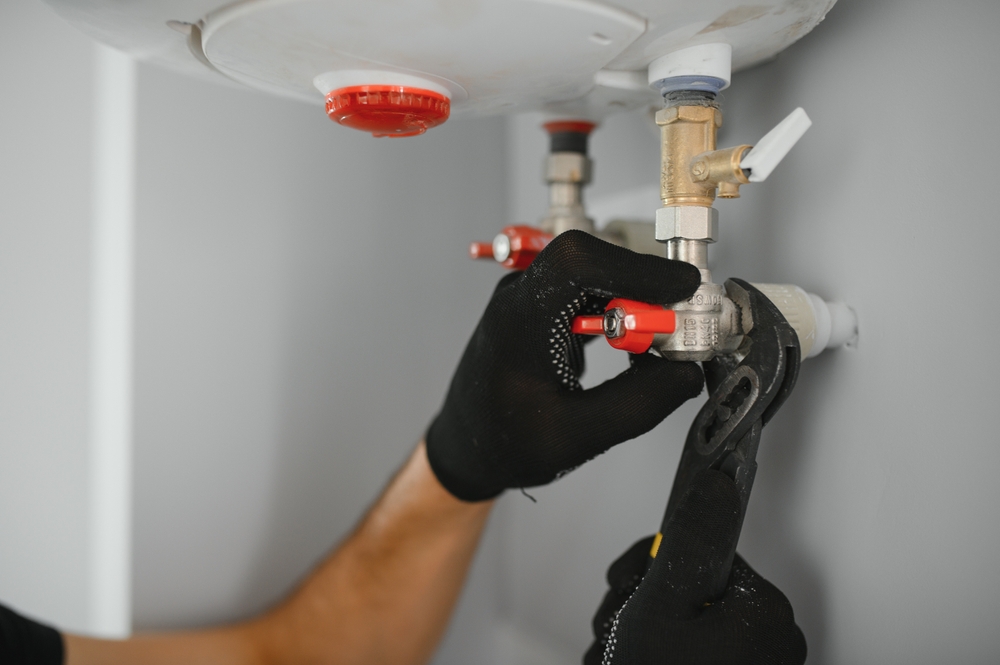
You’re in another room entirely when you first hear it, a deep, dull knock, then a whole series of pops and low rumbles coming from the garage or the closet, almost exactly like someone’s tapping on the pipes or popcorn is somehow going off inside the wall. That unsettling water heater knocking noise in Santa Rosa, California, homes seem to hear so often, honestly isn’t just your old house settling or your tired imagination; it’s really your hot water tank quietly trying to tell you that something is steadily building up inside of it. Most people honestly just ignore that sound and quietly hope it eventually goes away on its own. It almost never actually does, though. The sound is only ever going to keep getting worse from right here on out. So here’s exactly what your noisy water heater is really trying so hard to tell you right now.
1. What That Knocking and Popping Really Means
The genuinely good news is that the sound itself usually isn’t a true emergency, but it absolutely is a real warning sign. What you’re actually hearing is water bubbling and forcing its way up through a thick layer of hardened debris sitting at the bottom of the tank. As the burner heats the water down below, trapped little pockets of steam violently escape upward with a sharp knock or a loud pop, a lot like a kettle struggling away under a tight lid. The noise also tends to get noticeably louder over time as that hardened bottom layer slowly grows thicker and thicker with every passing month. So while it honestly won’t flood your house tonight, it’s a very clear sign your water heater needs some real attention soon.
2. The Hidden Sediment at the Bottom
At the very heart of the whole problem is a layer you honestly can’t even see, settling silently at the base of the tank. That sediment buildup in tank water heater units happens as the minerals in your water slowly separate out and sink, hardening into a crusty layer right over the heating element. That hard crusty layer then traps a little pocket of water underneath it, which superheats and bubbles violently, creating the exact knocking sound you keep hearing. Worse still, it forces the whole heater to work much, much harder and burn far more energy just to push all of its heat up through that thick crust. Left completely alone, it slowly shortens the tank’s life and quietly drives up your monthly utility bills.
3. Why Flushing the Tank Actually Helps
The single most common fix for a noisy tank is honestly also one of the very simplest: just draining out everything that’s built up inside it. Regular flushing water heater minerals clears all that hardened sediment right out of the bottom, finally letting the burner heat your water cleanly and quietly again. Done regularly, usually about once every single year, it keeps the whole tank running efficiently and dramatically extends its useful lifespan too. If it’s been many years since your last real flush, though, the packed sediment may simply be too compacted to rinse out easily anymore. In those cases a good plumber can often break it all up, or honestly tell you when a full replacement is really the smarter call.
4. The Real Culprit in Our Local Water
Here’s exactly why this whole problem is so incredibly common right around here: our local water is genuinely hard, meaning it’s absolutely loaded with dissolved minerals like calcium and magnesium. Those very same minerals are exactly what settle right out and form all that sediment, so the harder your water happens to be, the faster it all builds up. Looking seriously into hard water solutions in Sonoma County, California, like a quality water softener, can slow that whole process down dramatically right at the source. Softened water simply means far less sediment overall, a much quieter tank, and a noticeably longer life for every single appliance that touches your home’s water. It’s honestly the whole difference between just treating the symptom and finally addressing the actual root cause.
5. When to Call in a Real Professional
A little occasional knocking is one thing, but some clear signs really mean it’s finally time to stop waiting around. If you start to notice rusty brown water, leaks pooling around the base, water that never quite gets hot enough anymore, or noises that just keep getting louder, those all point to much deeper trouble. Prompt professional hot water system repair can quickly diagnose whether you need a simple flush, a part replaced, or a full new unit, all before a small issue becomes a flooded floor. A trained plumber also handles all the gas, electrical, and water connections safely, which honestly isn’t a DIY gamble worth ever taking. Catching it all early on almost always means a much cheaper, far simpler, and far less stressful fix in the end.
That knocking and popping is really just your water heater’s own early warning, and it’s almost always sediment from our hard local water hardening up at the bottom of the tank. Caught early enough, it’s usually a quick, easy flush, but left for years, it can mean a worn-out unit and a noticeably higher bill every single month. Either way, it’s genuinely worth getting a closer look at it before that small noise ever turns into an actual leak on your floor. That kind of honest, do-it-right service is exactly what Curoso Plumbing has proudly built its whole name on, a licensed, bonded, and insured family business led by Jim Curoso that’s served Santa Rosa and the wider North Bay for over forty years now, with same-day water heater help and a real 5-star reputation. When your tank first starts talking like that, they’ll quickly figure out what it’s really trying to say.
“Hearing knocks and pops from your water heater? It’s usually sediment. Call Curoso Plumbing at 707-545-5017 for same-day flushing and honest repair.”
FAQs
Q1: Why is my water heater making knocking noises in Santa Rosa, California?
In Santa Rosa, California, knocking and popping almost always come from sediment built up at the bottom of the tank. Our hard water leaves mineral deposits that trap water, which then superheats and bubbles loudly. Flushing the tank usually clears it and quiets the noise.
Q2: Is a noisy water heater dangerous in Santa Rosa, California?
For homeowners in Santa Rosa, California, the noise itself usually isn’t an immediate danger, but it’s a warning. Sediment makes the heater work harder, wears it out faster, and raises bills. If you also see leaks, rusty water, or rising heat loss, have it checked before it fails.
Q3: How often should I flush my water heater in Santa Rosa, California?
Around Santa Rosa, California, flushing once a year is a good rule, and more often with very hard water. Regular flushing clears mineral buildup, keeps the tank efficient, and extends its life. A water softener can also slow how fast sediment forms in the first place.